At ShurLawn & Landscape, we’ve built our fair share of retaining walls around Omaha, Elkhorn, and nearby areas in Nebraska. As a trusted retaining wall contractor, we’ve handled projects ranging from small residential yards to large commercial outdoor spaces.
Over the years, we’ve learned what works and what doesn’t—especially when it comes to timing your wall installation. Let’s discuss the optimal time to build a retaining wall and why timing is so crucial.
Why Does Season Matter When Installing a Retaining Wall?
Building a retaining wall isn’t just about stacking blocks or pouring concrete—it’s about making sure your wall lasts for years. The season plays a big part in that.
How Weather Affects Construction
When we install retaining walls, we rely on stable soil and manageable weather. Too much rain makes the ground soft, while freezing temperatures can cause soil to shift. That means choosing the right season can help your wall stay sturdy and prevent soil erosion in the long run.
Soil and Moisture Levels
Frozen soil can’t be shaped properly for drainage or compacted tightly enough to support the wall. On the other hand, too much moisture during rainy months can cause shifting. Finding that sweet spot between dry and damp is the goal.
Last year, we worked with ShurLawn & Landscape on a project in Silver Ridge, Omaha, NE, where the homeowner, Terry Thompson, wanted a new retaining wall to address a steep slope in his backyard. Initially, we started the installation in early spring, but due to heavy rains, the soil was too soft, making it hard to compact and maintain the wall’s stability.
After consulting with ShurLawn & Landscape, we decided to delay the work until late summer when the weather was more predictable and the soil was drier. This timing allowed us to properly shape and compact the soil, ensuring the wall would last for years without shifting or eroding.
The added drainage system further protected the wall from moisture buildup. Terry was thrilled with the result, as the wall not only performed well but also enhanced the overall look of his yard.
– Terry Thompson, Silver Ridge
Is Spring a Good Time for Wall Installation?
Spring is often when homeowners start planning outdoor projects. But is it the best time for wall construction?
What Works in Spring
Early spring in Omaha brings cooler temperatures and thawed soil, which helps with digging and leveling. It’s also a great time for planning your design, picking your materials, and scheduling your contractor before everyone else does.
What Can Be Tricky
However, spring showers can slow down progress. We’ve had a few wall projects delayed when the ground became too wet to compact properly. If you’re okay with a bit of waiting, spring can still work well.
Why Do Many Homeowners Prefer Summer?
Now, summer is when we really stay busy building retaining walls across the Omaha area.
Why Summer Works So Well
The warm, dry weather means fewer delays. The ground is firm, which makes it easier to set the base layer and build upward without worrying about soil movement. For residential and commercial properties, summer gives you a wide open window for construction.
A Few Things to Watch Out For
The only downside? The heat. Working with concrete block, natural stone, or timber in direct sunlight can be tough—both for us and the materials. But our team at ShurLawn & Landscape knows how to handle that, keeping walls level and durable no matter how hot it gets.
What About Fall—Is It Too Late to Build?
Fall is actually one of our favorite times to install retaining walls in Omaha and the surrounding areas.
Why Fall Can Be Ideal
The weather cools down, but the ground isn’t frozen yet. Soil is still firm, and there’s less rainfall compared to spring. This helps us construct strong, stable retaining walls that can handle Nebraska’s freeze-thaw cycle.
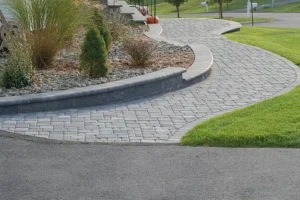
We just completed a decorative retaining wall near Elkhorn using concrete block and natural stone, and the crisp weather made the installation smooth and comfortable.
Plus, your wall will be ready before winter hits, keeping your yard and outdoor space protected from erosion. If you’ve noticed signs of wear—like cracks or a slight lean—our guide on Is Your Omaha, NE Retaining Wall Cracking or Leaning explains when it’s time for a fix before small issues turn serious.
When It Gets Too Late
Once temperatures dip below freezing, the ground hardens, making it tough to dig and compact soil properly. So, if you’re planning for fall, schedule early—late October can be pushing it.
What Materials Hold Up Best in Omaha’s Climate?
Picking the right material matters just as much as choosing the right season. Omaha’s mix of hot summers and icy winters means your wall needs to be durable.
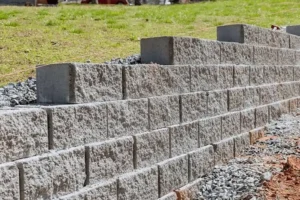
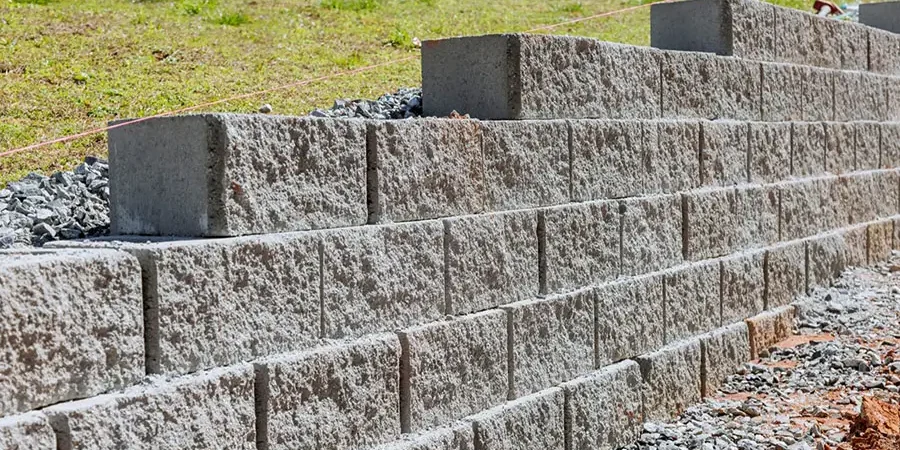
- Concrete Block: Sturdy and long-lasting, concrete block walls handle soil pressure well and offer a clean look.
- Natural Stone: Great for adding character to your property. Stone is durable and looks beautiful in both residential and commercial landscapes.
- Timber: More affordable and easy to install, but it doesn’t last as long as concrete or stone.
What Season Do We Recommend Most?
If you’re asking us—the pros who build retaining walls year-round—we’d say late spring through early fall is the sweet spot.
That’s when weather conditions are steady, materials are set well, and the soil is just right for installation. It’s also when your outdoor living space projects—like patios, raised planter beds, or lawn extensions—fit perfectly into your schedule.
How Do Retaining Walls Improve a Property?
Adding a retaining wall isn’t just about looks. It’s about making your yard and outdoor space more functional and durable.
- Prevent Soil Erosion: Keep your lawn and property safe from water runoff.
- Create Usable Space: Helps level sloped areas and opens up space for patios or sitting areas.
- Increase Property Value: A well-built wall adds both strength and style to your landscape.
- Improve Aesthetic Appeal: A beautiful wall design can make your outdoor space a true focal point.
Frequently Asked Questions About Retaining Wall Installation
1. Can retaining walls be installed during winter in Omaha?
Yes, but it’s not ideal. Cold weather and frozen soil can weaken the build and affect curing, so waiting for warmer months is smarter.
2. Can retaining walls really stop erosion?
Yes, they’re built to retain soil and control water flow. When done properly, they help stop erosion and protect nearby areas from washouts.
3. Can a retaining wall increase the value of my property?
Yes, a well-designed wall adds both beauty and structure. Many Omaha homeowners see it as an investment that improves outdoor functionality and appeal.
Conclusion
If you’ve been thinking about installing a retaining wall in Omaha or the surrounding Nebraska areas, the best time is from late spring through early fall. The weather, soil conditions, and work schedule all line up perfectly for a solid, beautiful result.
At ShurLawn & Landscape, we design and install retaining walls that withstand the test of time. Our team of experts works with concrete block, stone, and timber materials to create functional and beautiful landscapes for both residential and commercial properties.
Contact ShurLawn & Landscape today at 402-572-0710 for a free consultation. Let’s build something sturdy, functional, and built to last—right here in Omaha, NE.