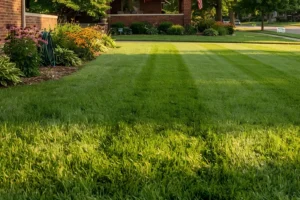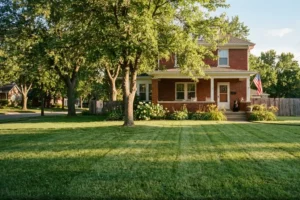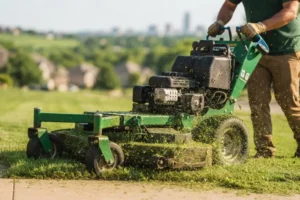

Summer can be rough on an Omaha lawn. Hot days, heavy rain, dry spells, foot traffic, insects, weeds, and compacted soil can leave grass looking thin, brown, or patchy.
We see this every summer when homeowners call us and say, “What happened to my lawn?”
Summer damage does not always mean the lawn is lost. At ShurLawn & Landscape, we look at what caused the problem first. Then we build a plan that fits the lawn, the soil, and the weather. Choosing the right lawn service can help uncover whether heat, compacted soil, poor watering, weeds, or pests are keeping your grass from recovering.
We have been caring for lawns in the Omaha area for decades, and we have seen just about every summer lawn problem you can name. Here are the main steps we use to help lawns recover.
What Should You Check First When Your Lawn Looks Bad?
Before putting anything on the grass, we look closely at the lawn.
Soil condition
Clay soil is common around Omaha, and it can become hard and packed. When soil is packed, water and air have a harder time reaching the grass roots.
Grass color
Brown grass does not always mean the same thing. Heat, drought, fungus, insects, poor soil, and too much water can all cause color changes.
Weeds and pests
We check for weeds, lawn insects, and signs of disease. Finding the cause helps us avoid treating the wrong problem.
We recently worked on lawns where the real issue was not simply a lack of water. Soil and pest problems were also holding the grass back.
How Does Water Help a Lawn Recover?
Water sounds simple, but summer watering can go wrong fast.
Too little water can stress grass. Too much water can create other problems, especially when the soil drains slowly.
Water Deeply and Carefully
Morning watering: We prefer early morning watering because the grass has time to take in moisture before the heat of the day.
Deep watering: A good watering should reach the root zone instead of giving the lawn a quick splash every day.
Smart irrigation: On larger properties, we have installed smart irrigation controls that help manage water use based on weather and lawn needs. One Oakwood West HOA project included smart controllers, aeration, and nutrients to help create more even turf across the property.
Why Does Aeration Help a Summer Lawn?
Compacted soil can make it hard for grass roots to get what they need.
Aeration creates small openings in the soil. These openings allow water, air, and nutrients to reach deeper into the root area.
Aeration Helps the Roots
Compacted soil: Heavy clay soil can become packed from people, pets, mowing, and rain.
Root growth: Opening the soil gives roots more room to grow.
Water movement: Aeration can help water move into the soil instead of sitting on top.
We often pair aeration with the right nutrients when a lawn needs more than a quick cosmetic fix.
How Do We Handle Weeds During Summer Recovery?
Weeds can take advantage of thin grass. When the turf is weak, weeds have more room to grow.
Our approach starts with finding the weeds and checking the condition of the lawn. We then use weather-timed treatments based on what the lawn needs.
Targeted treatment
We use the right product for the problem instead of treating every lawn the same way.
Weather timing
Heat, rain, and soil conditions affect how treatments work, so timing matters.
Safe application
Our licensed team uses EPA-approved products and follows proper application practices around homes, children, and pets.
We do not believe in blasting a lawn with chemicals and hoping for the best. A lawn needs the right care at the right time.
What If Pests or Fungus Caused the Damage?
Sometimes brown spots have little to do with watering.
Grubs, lawn insects, and fungus can cause damage that spreads quickly during summer.
One lawn we worked on had crabgrass and fungus issues along with low phosphorus in the soil and grub activity. We built a five-step program around those findings, and the lawn was looking much better by summer.
Pest problems: We look for signs of insect activity before choosing a treatment.
Fungus problems: We check the pattern and lawn conditions before deciding how to respond.
Soil needs: A soil test can show if the lawn is missing nutrients that support healthy grass.
That kind of step-by-step work is how we help avoid guesswork.
Can Fertilizer Help a Damaged Lawn?
A lawn under summer stress does not need random fertilizer thrown on it. We look at the grass, soil, weather, and season before making a treatment plan.
Slow-release nutrients
These can provide steady nutrition instead of giving the grass too much at once.
Soil testing
Testing can show what the soil is missing so we can make a better plan.
Seasonal care
We adjust lawn treatments as Omaha weather changes from hot summer days to cooler fall weather.
When Should I Call ShurLawn & Landscape?
If your lawn has thin areas, weeds, brown patches, pests, or fungus, waiting can make the problem harder to fix.
A quick lawn check can tell us a lot. We can look at the grass, soil, watering, and problem areas, then explain what we see in plain English.
At ShurLawn & Landscape, our goal is simple. We want you to have a lawn that looks good, feels good under your feet, and does not become another chore on your weekend list. Want a few simple ways to help stressed grass recover during summer?
These summer lawn care tips explain how mowing height and better mowing habits can help turf handle heat, drying winds, and soil compaction.
Frequently Asked Questions About Lawn Service
1. Can a brown lawn recover after summer heat?
Yes. Grass can often recover when the roots are still healthy, and the cause of the stress is addressed.
2. Does lawn aeration help with Omaha clay soil?
Yes. Aeration opens compacted soil so water, air, and nutrients can reach the grass roots more easily.
3. Can ShurLawn & Landscape treat summer lawn pests?
Yes. Our licensed team checks for signs of pest activity and uses properly selected treatments based on the lawn and the problem.
Let’s Get Your Lawn Looking Its Best Again
Summer lawn recovery starts with finding the real problem. Check the soil. Improve watering. Relieve compacted soil. Watch for weeds, pests, and fungus. Feed the lawn based on what it needs. Then keep up with seasonal care.
That is how we approach lawn recovery at ShurLawn & Landscape. We have spent decades caring for Omaha-area lawns, and we bring that local knowledge to every property we work on.
If your lawn needs help this summer, call us at 402-572-0710. We will take a look, explain what is happening, and help you choose the next step.